Fatty Liver Disease Treatment in Bathinda — Expert NAFLD/NASH Care by Dr. Raman Garg
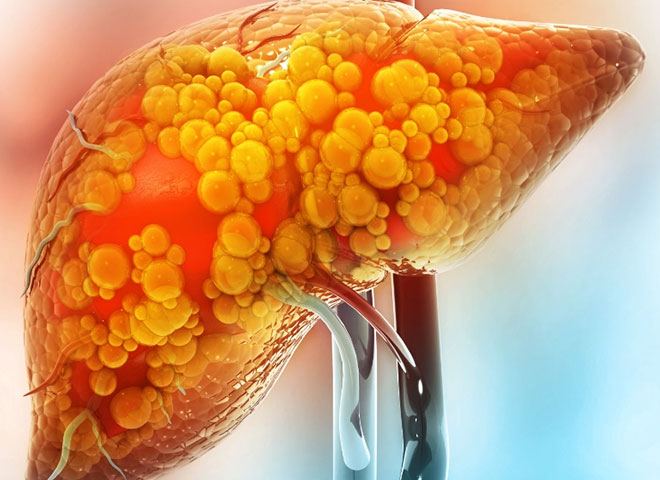
Fatty liver disease, medically known as hepatic steatosis, is a condition characterized by abnormal accumulation of fat (lipids) within liver cells (hepatocytes). When the fat content of the liver exceeds 5% of the total liver weight, it is classified as fatty liver disease. This has become one of the most common liver conditions worldwide — and in India, it is a growing epidemic.
At Bombay Gastro & Cancer Institute (BGCI) in Bathinda, Dr. Raman Garg specializes in the comprehensive diagnosis, staging, and management of fatty liver disease, with a focus on preventing disease progression and improving liver health through evidence-based strategies.
Types of Fatty Liver Disease
1. Non-Alcoholic Fatty Liver Disease (NAFLD)
NAFLD is the most common form, affecting people who drink little or no alcohol. It exists on a spectrum:
- Simple Steatosis (NAFL) — Fat accumulation only; no significant inflammation; generally benign prognosis
- Non-Alcoholic Steatohepatitis (NASH) — Fat plus liver inflammation and cell damage; can progress to cirrhosis
- NASH-related Cirrhosis — End-stage liver scarring from advanced NASH
- Hepatocellular Carcinoma (HCC) — Liver cancer arising from NASH cirrhosis
2. Alcoholic Fatty Liver Disease (AFLD)
Caused by excessive alcohol consumption. See our dedicated page on Alcoholic Liver Disease.
Who is at Risk of Fatty Liver Disease?
NAFLD is strongly associated with the metabolic syndrome. Risk factors include:
- Obesity — The most powerful risk factor; particularly central/abdominal obesity
- Type 2 Diabetes Mellitus — Insulin resistance drives fat accumulation in the liver
- High Triglycerides & Low HDL — Dyslipidemia
- High Blood Pressure (Hypertension)
- Metabolic Syndrome — Combination of the above factors
- Polycystic Ovary Syndrome (PCOS)
- Hypothyroidism
- Sedentary Lifestyle — Lack of physical activity
- Poor Diet — High in refined carbohydrates, sugars, saturated fats
- Genetic Factors — PNPLA3 and TM6SF2 gene variants
Important Fact
Fatty liver disease is now the most common cause of elevated liver enzymes (ALT/AST) in adults. An estimated 25–30% of Indians have NAFLD. Dr. Raman Garg sees numerous cases of incidentally discovered fatty liver — often found during routine ultrasound or blood tests.
Symptoms of Fatty Liver Disease
Fatty liver disease is often called a "silent disease" because most patients have no symptoms in early stages. When symptoms do occur, they may include:
- Persistent fatigue and weakness
- Discomfort or dull ache in the upper right abdomen
- Mild unexplained weight loss
- Loss of appetite
- Feeling of fullness in the upper right abdomen
In advanced NASH with cirrhosis, symptoms of liver failure develop: jaundice, ascites (abdominal swelling), bleeding tendency, confusion.
Diagnosis of Fatty Liver Disease at BGCI Bathinda
Dr. Raman Garg performs a comprehensive diagnostic evaluation to confirm fatty liver, assess severity, and identify the underlying cause:
- Blood Tests — Liver function tests (ALT, AST, GGT, ALP, albumin, bilirubin), lipid profile, blood glucose, HbA1c, thyroid function, CBC
- Ultrasound Abdomen — Most widely used initial investigation; shows liver echogenicity (brightness) and size
- FibroScan (Transient Elastography) — Non-invasive, painless test measuring liver stiffness (fibrosis) and fat content (CAP score). Dr. Garg uses FibroScan extensively to stage fatty liver disease without biopsy.
- CT Scan / MRI Abdomen — More detailed assessment; MRI spectroscopy quantifies fat content precisely
- Liver Biopsy — Gold standard for definitively diagnosing NASH and staging fibrosis; reserved for complex cases
- Non-Invasive Fibrosis Scores — FIB-4, NAFLD Fibrosis Score, APRI — calculated from blood tests to estimate fibrosis
Treatment of Fatty Liver Disease (NAFLD/NASH)
Currently, there is no FDA-approved medication specifically for NAFLD/NASH. However, the right management strategy can significantly reverse fatty liver and prevent progression to cirrhosis.
1. Weight Loss — The Most Powerful Treatment
Gradual, sustained weight loss is the single most effective treatment for NAFLD:
- 5% weight loss — Reduces liver fat significantly
- 7–10% weight loss — Improves NASH (liver inflammation)
- 10%+ weight loss — Can reverse liver fibrosis
Dr. Raman Garg recommends a structured weight loss program with realistic targets. For morbidly obese patients who fail conventional weight loss, laparoscopic bariatric surgery is highly effective and can even reverse NASH in many cases.
2. Dietary Modifications
- Mediterranean-type diet — Rich in vegetables, fruits, whole grains, lean protein, olive oil
- Reduce refined carbohydrates, sugar-sweetened beverages, and fructose (a major driver of fatty liver)
- Limit saturated fat and trans fat
- Increase dietary fiber intake
- Coffee consumption (unsweetened) has shown protective effects on the liver
- Complete alcohol abstinence
3. Exercise
Regular physical activity independently reduces liver fat and NASH, even without significant weight loss:
- At least 150–300 minutes of moderate-intensity aerobic exercise per week
- Resistance training 2–3 times per week
- Even brisk walking 30 minutes daily significantly benefits the liver
4. Managing Metabolic Comorbidities
- Diabetes Control — Metformin, GLP-1 agonists (semaglutide/liraglutide), SGLT-2 inhibitors (dapagliflozin, empagliflozin) — the latter two classes have shown liver benefits
- Dyslipidemia Treatment — Statins are safe and beneficial in NAFLD patients
- Hypertension Management — ARBs (telmisartan, losartan) may have additional liver-protective benefits
- Thyroid Correction — Treating hypothyroidism improves fatty liver
5. Medications with Evidence in NASH
- Vitamin E — Antioxidant; shown to improve NASH histology in non-diabetic patients
- Pioglitazone — Insulin sensitizer; improves NASH in diabetic patients
- GLP-1 Agonists — Semaglutide showing significant anti-NASH effects in trials
- UDCA — May have hepatoprotective effects
When is Fatty Liver Disease Reversible?
- Simple steatosis (NAFL) — Highly reversible with weight loss and lifestyle changes
- NASH (with inflammation) — Can be significantly improved or reversed with weight loss of 7–10%
- Early fibrosis (F1–F2) — Can be reversed with sustained lifestyle changes and weight loss
- Advanced fibrosis (F3–F4) / Cirrhosis — Progression can be halted; some improvement possible but complete reversal is limited
Why Choose Dr. Raman Garg for Fatty Liver Treatment in Bathinda?
- Specialized expertise in liver diseases including NAFLD, NASH, and cirrhosis
- FibroScan available at BGCI — non-invasive staging without biopsy
- Comprehensive metabolic evaluation and management
- Coordinated care with diabetologist, nutritionist as needed
- Access to bariatric surgery for eligible patients — the most effective treatment for NASH in obese patients
- Regular monitoring to track disease progression and treatment response
Fatty Liver FAQ
01
Can fatty liver be reversed completely?
Yes! Simple fatty liver (NAFL) is completely reversible with weight loss, dietary changes, and exercise. Even NASH (fatty liver with inflammation) can be significantly improved or reversed. The key is early diagnosis and consistent lifestyle changes guided by Dr. Raman Garg.
02
Is fatty liver dangerous?
Simple fatty liver itself poses minimal immediate risk. However, NASH — the more serious form — can progress to liver fibrosis, cirrhosis, and even liver cancer. About 20–25% of NASH patients develop significant liver scarring if untreated. Early identification and management are essential.
03
What diet cures fatty liver?
A Mediterranean-style diet rich in vegetables, fruits, whole grains, legumes, and healthy fats (olive oil), combined with reduction of refined sugars, refined carbs, and processed foods, has the strongest evidence for improving fatty liver. Completely avoiding alcohol is essential.
04
Does fatty liver cause pain?
Most fatty liver patients have no pain. Some experience a dull, mild ache or heaviness in the upper right abdomen where the liver is located. Advanced disease with cirrhosis can cause more significant discomfort. If you have any abdominal pain, consult Dr. Raman Garg for proper evaluation.
05
How is fatty liver diagnosed?
The most common initial test is an ultrasound abdomen (shows liver brightness/echogenicity). Blood tests (ALT, AST) may be elevated. FibroScan provides non-invasive assessment of fat content and fibrosis. Liver biopsy gives definitive staging but is reserved for complex cases.