Model Town Phase 2, Bathinda
Bombay Gastro
Home About Us Our Doctors Gallery Blog Contact Us Book Appointment

Emergency Contact

+91 82641-60001 +91 99885-03800
Bariatric Surgery

Laparoscopic Bariatric Surgery in Bathinda

Life-changing weight loss surgery by Dr. Raman Garg — permanent obesity relief, diabetes reversal, and better quality of life.
Laparoscopic Bariatric Weight Loss Surgery Bathinda

Laparoscopic Bariatric Surgery in Bathinda — Permanent Weight Loss by Dr. Raman Garg

If you've struggled with severe obesity for years — tried countless diets, exercise programs, and medications without lasting success — laparoscopic bariatric surgery may be the answer you've been looking for. At Bombay Gastro & Cancer Institute (BGCI) in Bathinda, Dr. Raman Garg performs advanced bariatric (weight loss) surgeries that help patients achieve sustainable, dramatic weight loss and reverse many obesity-related health conditions.

Bariatric surgery isn't just about losing weight — it's about transforming your life. It can reverse Type 2 diabetes, treat hypertension, resolve sleep apnea, relieve joint pain, and dramatically reduce the risk of heart disease, stroke, and liver disease. The change in quality of life reported by patients after successful bariatric surgery is truly transformative.

What is Bariatric Surgery?

Bariatric surgery encompasses a group of surgical procedures that modify the digestive system to promote weight loss. They work through three main mechanisms:

  • Restriction — Reducing the size of the stomach to limit food intake
  • Malabsorption — Bypassing parts of the intestine to reduce nutrient/calorie absorption
  • Hormonal changes — Altering gut hormones (ghrelin, GLP-1) to reduce hunger and improve metabolism

Am I a Candidate for Bariatric Surgery?

Generally accepted criteria (as per IFSO/Indian guidelines):

  • BMI ≥40 kg/m² — Severe/morbid obesity without significant comorbidities
  • BMI ≥35 kg/m² with significant obesity-related conditions (T2DM, hypertension, sleep apnea, NASH, orthopedic problems)
  • BMI ≥30 kg/m² with poorly controlled Type 2 diabetes (metabolic surgery)
  • Age: typically 18–65 years (selected cases outside this range with careful evaluation)
  • Failed previous conservative weight loss attempts
  • Psychologically stable and committed to lifestyle changes after surgery

Types of Bariatric Procedures Offered at BGCI Bathinda

1. Laparoscopic Sleeve Gastrectomy (LSG) — Most Popular

The stomach is reduced to approximately 20–25% of its original size by removing the greater curvature, creating a narrow "sleeve" or tube shape. This is the most commonly performed bariatric procedure worldwide due to its excellent weight loss outcomes, relative simplicity, and lower long-term complication rates.

  • Average excess weight loss: 60–70% at 1 year
  • Significant reduction in hunger hormone (ghrelin)
  • No intestinal rerouting — lower nutritional deficiency risk
  • Permanent procedure
  • Hospital stay: 2–3 days

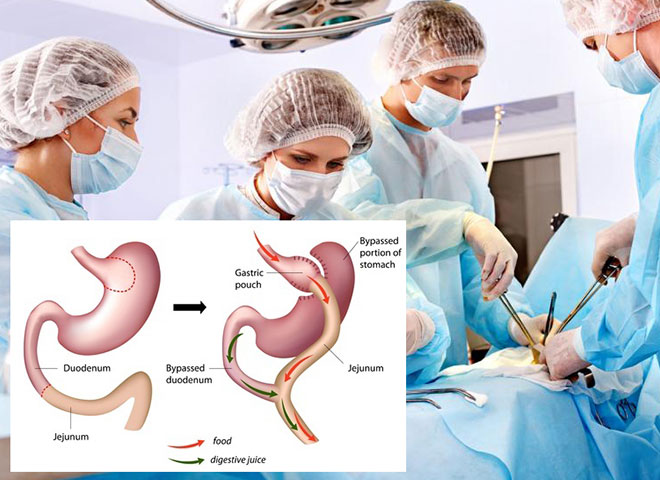
2. Laparoscopic Roux-en-Y Gastric Bypass (LRYGB)

A small stomach pouch (15–30 ml) is created, and the small intestine is reconnected to this new pouch, bypassing the original stomach and upper small intestine. This is the gold standard bariatric procedure with the longest track record.

  • Average excess weight loss: 70–80% at 1 year
  • Best procedure for GERD/acid reflux with obesity
  • Most effective for Type 2 diabetes reversal (remission in 80%+)
  • More complex procedure — requires strict nutritional supplementation
  • Hospital stay: 3–5 days

3. Laparoscopic Mini Gastric Bypass (LMGB)

A simpler modification of the gastric bypass with a single anastomosis. Offers comparable weight loss to RYGB with a shorter operative time.

Benefits of Bariatric Surgery Beyond Weight Loss

The most exciting aspect of bariatric surgery is its profound impact on obesity-related diseases:

  • Type 2 Diabetes — Complete remission in 60–80% of patients; improved control in most others. Many patients come off insulin within days of surgery.
  • Hypertension — Resolved or significantly improved in 65–75% of patients
  • Obstructive Sleep Apnea — Resolved in 80–85% of patients
  • NASH/Fatty Liver Disease — Dramatically improves or resolves in 80–90% of patients
  • Dyslipidemia — Cholesterol and triglyceride levels normalize in 70%+ of patients
  • Osteoarthritis/Joint Pain — Significant relief from reduced weight bearing
  • PCOS — Menstrual irregularities often resolve; fertility improves
  • Depression & Self-esteem — Dramatic improvement in psychological wellbeing and quality of life
  • Cancer Risk Reduction — Obesity is a major cancer risk factor; bariatric surgery significantly reduces risk
  • Life expectancy — Studies show 30–40% reduction in mortality risk

Patient Success Stories

Dr. Raman Garg has helped numerous patients from Bathinda and surrounding areas lose 30–60 kg and reverse diabetes through bariatric surgery. Many patients report that this surgery was "the best decision of their life." The transformation extends far beyond the weighing scale — renewed energy, confidence, and better health define life after bariatric surgery.

Pre-Operative Evaluation at BGCI Bathinda

A comprehensive pre-operative workup ensures the best outcomes:

  • Detailed clinical assessment and BMI measurement
  • Blood tests: CBC, LFT, kidney function, thyroid, HbA1c, lipid profile, nutritional panel
  • Cardiac evaluation: ECG, echocardiography if indicated
  • Pulmonary evaluation and sleep study (for sleep apnea)
  • Upper GI endoscopy — H. pylori detection and treatment; GERD assessment
  • Ultrasound abdomen — gallstones, fatty liver
  • Psychiatric and psychological evaluation
  • Nutritional counseling — pre-operative dietary changes
  • Anesthesia evaluation

The Bariatric Surgery Journey at BGCI

Before Surgery

Pre-operative low-calorie diet (2–4 weeks) to shrink the liver, making surgery safer and easier. This is an essential step that Dr. Raman Garg strictly follows.

During Surgery

Under general anesthesia, 4–5 small incisions are made. For sleeve gastrectomy, the excess stomach is removed using surgical staplers. The entire procedure takes 60–90 minutes. Patients wake up with a much smaller stomach.

After Surgery

  • 2–3 days hospital stay for monitoring
  • Liquid diet for first 2–4 weeks
  • Gradual transition to pureed → soft → solid foods over 6–8 weeks
  • Lifelong vitamin supplementation (iron, B12, calcium, vitamin D, multivitamins)
  • Regular follow-up at 1, 3, 6, 12 months and annually
  • Return to desk work: 2–3 weeks; physical work: 4–6 weeks

Why Choose Dr. Raman Garg for Bariatric Surgery in Bathinda?

  • Extensive experience in laparoscopic bariatric procedures
  • Comprehensive pre-operative workup and patient selection
  • Structured dietary and psychological support
  • Advanced laparoscopic surgical technology
  • Long-term post-operative follow-up program
  • Affordable bariatric surgery in Bathinda — no need to travel to Delhi or Chandigarh
  • Personalized care — Dr. Garg knows each patient personally

Bariatric Surgery FAQ

01

Is bariatric surgery permanent?

Yes. The anatomical changes from bariatric surgery are permanent. The stomach cannot "stretch back" to its original size if you follow dietary guidelines. However, the long-term success depends on your commitment to lifestyle changes — healthy eating habits and regular exercise are essential for maintaining weight loss.

02

Is bariatric surgery safe?

Bariatric surgery is one of the safest major surgical procedures when performed by an experienced surgeon like Dr. Raman Garg. The mortality risk is less than 0.3% — safer than many common surgeries. The risks of surgery are far outweighed by the health risks of continued morbid obesity.

03

Will I be able to eat normally after bariatric surgery?

After full recovery (6–8 weeks), you can eat most foods but in much smaller quantities. You'll need to eat slowly, chew thoroughly, and avoid carbonated drinks and high-sugar foods. The goal is a balanced, nutritious diet in smaller portions — most patients find they naturally prefer healthier foods after surgery.

04

Can bariatric surgery cure Type 2 diabetes?

Yes! This is one of the most remarkable benefits of bariatric surgery. Up to 60–80% of Type 2 diabetic patients achieve complete remission — normal blood sugar without any diabetes medications — after bariatric surgery. Improvement in blood sugar often occurs within days, before significant weight loss.

05

Will I need supplements after bariatric surgery?

Yes. Lifelong vitamin and mineral supplementation is necessary — iron, vitamin B12, calcium, vitamin D, folate, and a comprehensive multivitamin. Dr. Raman Garg provides detailed supplementation protocols and monitors nutritional status at every follow-up visit.