Advanced liver cirrhosis diagnosis and management by Dr. Raman Garg — Bathinda's leading liver specialist.
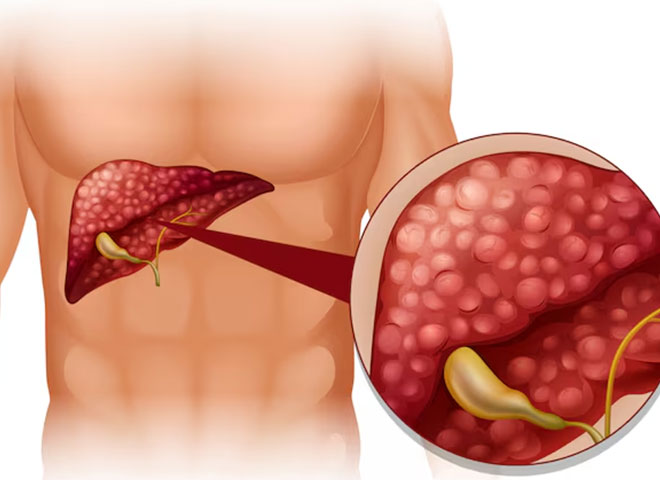
Liver cirrhosis is a serious, progressive liver disease characterized by the replacement of healthy liver tissue with scar tissue (fibrosis). This scarring permanently disrupts the normal structure of the liver, impairing its ability to function properly. If left unmanaged, cirrhosis can lead to life-threatening complications including liver failure, portal hypertension, and liver cancer.
At Bombay Gastro & Cancer Institute (BGCI) in Bathinda, Dr. Raman Garg — one of Punjab's most experienced liver specialists — provides comprehensive diagnosis, management, and follow-up care for patients with liver cirrhosis. His goal is to halt disease progression, manage complications, and significantly improve patients' quality of life.
The liver is the body's largest internal organ and performs over 500 vital functions including detoxification, protein synthesis, bile production for digestion, and blood clotting factor production. In cirrhosis, ongoing liver damage — from any cause — triggers a healing response that produces scar tissue. Over time, this scar tissue accumulates and disrupts the liver's internal architecture.
The consequences are far-reaching: the liver struggles to filter toxins, produce proteins, regulate hormones, and store energy. Blood flow through the liver becomes obstructed, causing pressure to build in the portal vein (portal hypertension), which leads to serious complications.
In early cirrhosis, the liver still functions adequately. Symptoms may be absent or subtle:
As cirrhosis progresses, serious complications develop:
If you or a family member develops sudden yellowing of skin, severe abdominal swelling, blood in vomiting, or episodes of confusion — seek medical attention at BGCI Bathinda immediately. Call +91 82641-60001.
Dr. Raman Garg performs a comprehensive evaluation to diagnose liver cirrhosis accurately and assess its severity:
While cirrhosis cannot be completely reversed once established, the right treatment can halt or slow progression, manage complications, and dramatically improve quality of life. Dr. Raman Garg creates personalized treatment plans for each patient:
Nutrition plays a critical role in cirrhosis management. Dr. Garg provides dietary guidance including adequate protein intake (a common misconception is to restrict protein — most cirrhotic patients actually need more), vitamin D and zinc supplementation, and salt restriction for ascites management.
For patients with end-stage liver disease, liver transplantation remains the definitive treatment. Dr. Raman Garg works with transplant centers to facilitate timely referral and pre-transplant optimization for eligible patients.
Cirrhosis requires ongoing monitoring to detect complications early. Dr. Raman Garg's follow-up protocol includes:
Cirrhosis itself (the scarring) cannot be fully reversed, but the underlying cause can be treated to halt further progression. Early-stage cirrhosis managed well can remain stable for years. Newer antiviral drugs for Hepatitis C achieve cure in 95%+ cases, which can significantly stabilize cirrhosis.
No. While alcohol is a leading cause in India, liver cirrhosis also results from chronic viral hepatitis (B and C), non-alcoholic fatty liver disease (NAFLD/NASH), autoimmune hepatitis, and metabolic disorders. Dr. Raman Garg identifies the specific cause and treats it accordingly.
Life expectancy depends on the stage and cause. Compensated (early) cirrhosis patients who avoid further liver damage can live for many years. Decompensated cirrhosis has a more serious prognosis, but with expert management by Dr. Raman Garg, complications can be controlled and quality of life improved significantly.
A high-protein diet (unless hepatic encephalopathy is present), low sodium (to prevent ascites), adequate calories, and vitamin supplements are key. Avoid alcohol completely. Dr. Raman Garg provides personalized nutritional guidance based on your specific condition.