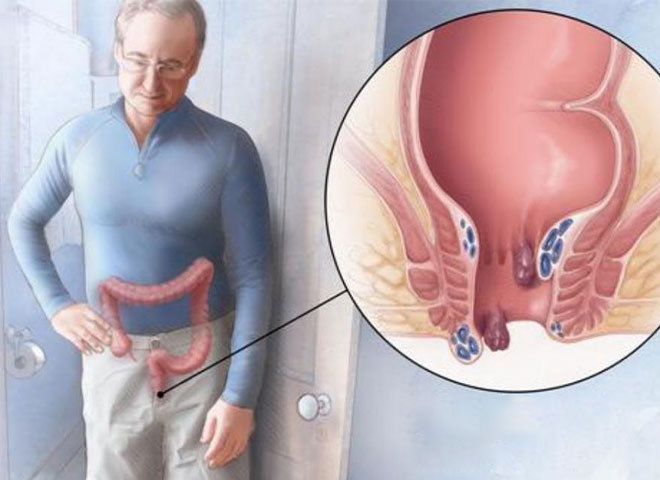
Stapler Haemorrhoidectomy (PPH) in Bathinda — Advanced Piles Surgery by Dr. Raman Garg
For patients with Grade III and Grade IV piles (haemorrhoids) who require surgical treatment, Stapler Haemorrhoidectomy — medically known as PPH (Procedure for Prolapse and Haemorrhoids) or MIPH (Minimally Invasive Procedure for Haemorrhoids) — represents the most advanced and patient-friendly surgical technique available today.
At Bombay Gastro & Cancer Institute (BGCI) in Bathinda, Dr. Raman Garg performs stapler haemorrhoidectomy as his preferred surgical approach for advanced piles. This modern technique offers dramatically less pain, a shorter hospital stay, and a faster return to normal life compared to traditional open haemorrhoidectomy — while delivering excellent, long-lasting results.
What Makes Stapler Haemorrhoidectomy Special?
Traditional haemorrhoidectomy (Milligan-Morgan or Ferguson technique) involves cutting out the haemorrhoidal tissue from the sensitive anal canal — an area with abundant pain nerve endings. This leads to significant post-operative pain, often for 2–4 weeks.
Stapler Haemorrhoidectomy is fundamentally different. Instead of removing the haemorrhoids from the pain-sensitive area, it:
- Removes a ring of excess mucosal and submucosal tissue above the dentate line (the boundary above which there are very few pain nerves)
- Simultaneously staples the remaining tissue together, restoring the haemorrhoidal cushions to their normal anatomical position
- Reduces blood supply to the haemorrhoids, causing them to shrink
The result: dramatically less pain (since the operation occurs above the pain-sensing area) and faster recovery.
Who is a Candidate for Stapler Haemorrhoidectomy?
- Grade III piles — Haemorrhoids that prolapse during straining and require manual reduction
- Grade IV piles — Permanently prolapsed haemorrhoids that cannot be reduced manually
- Circumferential (all-around) haemorrhoids
- Failed non-surgical treatments (rubber band ligation, sclerotherapy)
- Recurrent piles after previous non-surgical treatment
- Patients who need surgical treatment but desire minimal pain and fast recovery
The Stapler Haemorrhoidectomy Procedure at BGCI Bathinda
Before the Procedure
- Pre-operative blood tests, ECG
- Phosphate enema given the morning of surgery to clear the rectum
- Spinal anesthesia (most commonly) or general anesthesia
- Patient positioned in lithotomy position
During the Procedure (20–40 minutes)
- A dilator is gently placed in the anal canal
- A purse-string suture is placed in the rectal mucosa 4–5 cm above the dentate line using a special anoscope
- The circular stapling device is introduced through the anus
- The purse-string suture is tightened, pulling the excess hemorrhoidal tissue into the instrument
- The stapler fires simultaneously cutting the excess tissue and stapling the remaining mucosal edges together
- The specimen (a ring of mucosal and hemorrhoidal tissue) is removed and sent for histopathology
- Bleeding points checked and controlled
After the Procedure
- Most patients have minimal or no pain — a significant advantage over traditional surgery
- Hospital discharge: same day or next morning (24-hour stay in most cases)
- Eating: Normal diet from the next day
- Return to desk work: 3–5 days
- Return to physical work: 1–2 weeks
- Stool softeners prescribed for 2–3 weeks
- Follow-up at 1 week and 1 month
Comparison: Stapler Haemorrhoidectomy vs. Traditional Haemorrhoidectomy
| Feature |
Stapler (PPH) |
Traditional Open |
| Post-op Pain |
✓ Minimal (VAS score 1–3) |
Severe (VAS score 6–9) |
| Operation Time |
✓ 20–40 minutes |
45–90 minutes |
| Hospital Stay |
✓ 1 day |
3–5 days |
| Return to Work |
✓ 3–5 days |
2–4 weeks |
| Recurrence Rate |
✓ 2–5% |
1–3% |
| Patient Satisfaction |
✓ Very High |
Moderate |
| Anal stenosis risk |
✓ Very low |
Low-moderate |
Possible Risks & Complications
Stapler haemorrhoidectomy is very safe when performed by an experienced surgeon like Dr. Raman Garg. Possible complications (rare) include:
- Post-operative bleeding (less than 1%)
- Urinary retention (temporary; managed with catheterization)
- Tenesmus (persistent feeling of urge to defecate — usually resolves in 2–4 weeks)
- Rectal stenosis (narrowing — very rare, less than 0.5%)
- Anal urgency (temporary in some patients)
- Recurrence (2–5% — lower than traditional in long-term studies)
Post-Operative Care Instructions
- High-fibre diet from day 2 onwards
- Drink plenty of fluids (minimum 2–3 litres daily)
- Stool softeners as prescribed by Dr. Raman Garg
- Warm sitz baths for comfort and hygiene
- Avoid heavy lifting and strenuous activities for 2 weeks
- Follow-up visits as scheduled for wound assessment
- Report immediately if significant bleeding, fever, or severe pain occurs
Why Choose Dr. Raman Garg for Stapler Haemorrhoidectomy in Bathinda?
- Extensive experience with stapler haemorrhoidectomy (PPH/MIPH)
- Latest-generation circular stapling devices (PPH03/PPH04)
- Comprehensive pre-operative evaluation to select right candidates
- Confidential, dignified care — we understand the sensitivity
- Detailed post-operative guidance and close follow-up
- Affordable, transparent pricing in Bathinda
Stapler Haemorrhoidectomy FAQ
01
Is stapler haemorrhoidectomy painful?
The key advantage of stapler haemorrhoidectomy (PPH) is that it is significantly less painful than traditional haemorrhoid surgery. Most patients report minimal discomfort that is easily managed with over-the-counter analgesics. This is because the surgical excision occurs above the pain-sensitive dentate line.
02
How long does stapler haemorrhoidectomy surgery take?
The procedure itself takes 20–40 minutes under spinal or general anesthesia. It's a short procedure with impressive results. Most patients are discharged within 24 hours of surgery.
03
What are the chances of piles coming back after stapler surgery?
Recurrence rates with stapler haemorrhoidectomy are approximately 2–5% — comparable to traditional surgery. Following dietary and lifestyle advice from Dr. Raman Garg (high-fibre diet, adequate hydration, avoiding straining) significantly reduces recurrence risk.
04
Can I eat normally after stapler haemorrhoidectomy?
Yes! Most patients can eat a normal diet from the next day. It's important to maintain a high-fibre diet and drink plenty of fluids to prevent constipation. Avoid spicy, oily foods for the first 1–2 weeks. Stool softeners are prescribed to ensure soft, easy bowel movements.