Piles (Hemorrhoid) Treatment in Bathinda — Comprehensive, Compassionate, Permanent
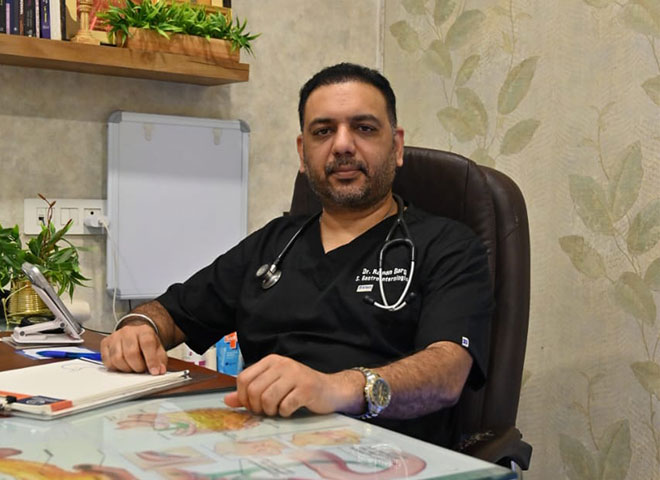
Piles — known medically as hemorrhoids and colloquially as bawaseer in Punjab — is one of the most common anorectal conditions in India, yet one of the most under-discussed due to embarrassment and social stigma. If you have been living with the pain, bleeding, itching, or prolapse associated with piles, know this: you don't have to suffer in silence. At Bombay Gastro & Cancer Institute (BGCI) in Bathinda, Dr. Raman Garg provides a full spectrum of piles treatments — from simple dietary and lifestyle interventions for early-stage hemorrhoids to advanced laser surgery and stapler haemorrhoidectomy for severe cases.
Hemorrhoids affect nearly 1 in 3 adults at some point in their lives. In India, an estimated 75% of people will develop piles at some time before age 50. Yet the vast majority delay seeking treatment for months or even years — bearing unnecessary pain and discomfort — due to embarrassment or misconceptions about the treatment being painful. The truth is, modern piles treatment at BGCI is minimally invasive, virtually painless, and highly effective.
You Are Not Alone — Piles is Extremely Common
75% of Indians will have hemorrhoids at some point. It is nothing to be ashamed of. Dr. Raman Garg and the team at BGCI maintain complete confidentiality and treat every patient with dignity and compassion.
Understanding Hemorrhoids — What They Are and Why They Form
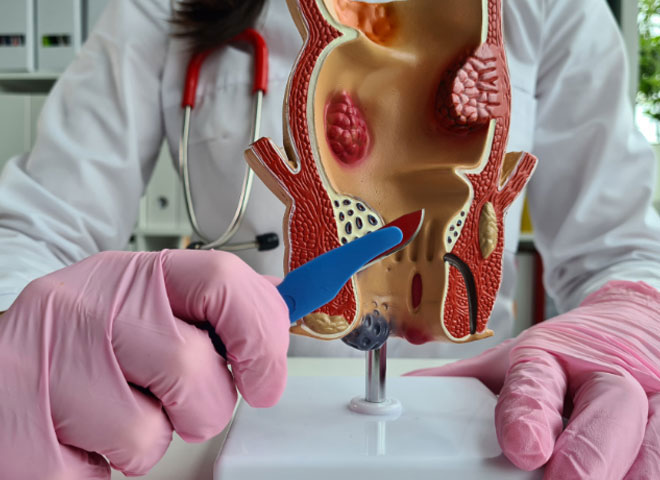
Hemorrhoids are swollen, enlarged veins in and around the rectum and anus — similar to varicose veins that you may see on legs. The anal and rectal area normally contains a network of veins (called the hemorrhoidal plexus) that help with bowel control. When pressure increases in these veins repeatedly over time, they swell and stretch — forming what we call piles.
The hemorrhoidal cushions — clusters of blood vessels, connective tissue, and smooth muscle — are actually a normal part of the anal anatomy that contribute to continence. It is only when these cushions become abnormally enlarged, inflamed, or symptomatic that they become a medical problem requiring attention.
What Causes Piles to Develop?
Piles develop when there is excessive and repeated pressure on the veins of the lower rectum and anus. The most common causes and contributing factors include:
- Chronic constipation and straining: The most significant and most common cause. Straining during bowel movements dramatically increases pressure in the hemorrhoidal veins. Constipation is itself driven by low dietary fiber, low water intake, and sedentary lifestyle — all of which are rampant in modern Indian diets.
- Low dietary fiber: A diet lacking in fruits, vegetables, legumes, and whole grains leads to hard, difficult-to-pass stools, necessitating straining — which directly causes hemorrhoids.
- Prolonged sitting on the toilet: Many people read or use their phones while on the toilet for long periods — this dramatically increases downward pressure on the anal cushions.
- Pregnancy and childbirth: The growing uterus puts direct pressure on the pelvic veins, while progesterone relaxes the vein walls — causing hemorrhoids in up to 35% of pregnant women. Vaginal delivery further aggravates or creates hemorrhoids due to extreme pushing effort.
- Sedentary lifestyle and desk jobs: Long hours of sitting without breaks impairs circulation in the pelvic and rectal veins, increasing congestion and swelling.
- Heavy lifting: Repeated heavy lifting at work or gym causes the same kind of Valsalva maneuver effect as straining at stool — sudden increase in intra-abdominal pressure transmitted to the rectal veins.
- Chronic diarrhea: Frequent loose stools and wiping can irritate and inflame the anal tissues, contributing to hemorrhoid development.
- Obesity: Excess body weight increases intra-abdominal pressure and rectal venous pressure.
- Low-fiber, high-fat diet: Typical North Indian diets heavy in refined flour (maida), fried foods, and little roughage are a major dietary risk factor.
- Age: As we age, the supportive tissues of the rectum and anus weaken and stretch, making hemorrhoids more likely and more severe.
- Family history: Genetic predisposition to weak vein walls makes some families more prone to piles.
- Portal hypertension: Liver diseases like cirrhosis increase portal vein pressure, which can cause or worsen hemorrhoids — these require careful assessment before treatment.
Types of Hemorrhoids — Internal vs. External
Hemorrhoids are broadly classified based on their location relative to the dentate line — an anatomical landmark inside the anal canal:
Internal Hemorrhoids
These form inside the rectum, above the dentate line. Since there are very few pain-sensing nerves above the dentate line, internal hemorrhoids are often painless — but they bleed and may prolapse (protrude outside the anus). Internal hemorrhoids are graded by how much they prolapse:
- Grade I (First degree): Small hemorrhoids that bulge into the lumen of the rectum but do not prolapse. Only symptom is painless bright red rectal bleeding during defecation. Managed with dietary changes and medications.
- Grade II (Second degree): Hemorrhoids that prolapse (bulge out of the anus) during straining but spontaneously reduce (go back inside) when straining stops. May bleed. Managed with office procedures like rubber band ligation or sclerotherapy, or laser treatment.
- Grade III (Third degree): Prolapse during straining and do NOT go back on their own — must be manually pushed back inside. Associated with significant discomfort, mucus discharge, and incomplete evacuation feeling. Usually requires surgical treatment (laser or stapler haemorrhoidectomy).
- Grade IV (Fourth degree): Permanently prolapsed — cannot be manually reduced. Associated with severe discomfort, mucus discharge, bleeding, and skin irritation. Requires definitive surgical intervention.
External Hemorrhoids
These form outside the anus, below the dentate line, where there are pain-sensing nerves. External hemorrhoids typically cause pain, swelling, and a lump near the anus. When a blood clot (thrombus) forms inside an external hemorrhoid — called a thrombosed external hemorrhoid — it causes sudden, severe anal pain with a visible, hard, dark-blue or purple lump. This is an acute emergency requiring prompt treatment.
Mixed (Internal-External) Hemorrhoids
Many patients have both internal and external components — especially those with long-standing, advanced disease. These are often the most symptomatic and typically require surgical treatment for permanent relief.
Symptoms of Piles — What to Watch For
- Painless bright red bleeding during bowel movements: The most common symptom of internal hemorrhoids. Blood may be seen on the toilet paper, in the toilet bowl, or coating the surface of stool. Note: blood mixed within stool or dark-colored blood requires immediate evaluation to rule out colorectal cancer.
- Prolapse — a feeling of something protruding from the anus during or after bowel movements
- Itching and irritation around the anus (pruritus ani)
- A feeling of incomplete evacuation after defecation
- Mucus discharge from the anus, causing soiling of underwear
- Discomfort, heaviness, or dull ache in the anal region
- Severe, sharp pain and a hard lump near the anus (thrombosed external hemorrhoid)
- Difficulty cleaning after defecation
- Skin tags near the anus (remnants of resolved external hemorrhoids)
- Anemia (low hemoglobin) from chronic blood loss — especially in elderly patients
Important: Not All Rectal Bleeding is Piles
Rectal bleeding should NEVER be self-diagnosed as piles without proper medical evaluation. Colorectal cancer, anal fissures, inflammatory bowel disease (Crohn's, ulcerative colitis), and polyps can also cause rectal bleeding — sometimes with similar symptoms to hemorrhoids. If you have rectal bleeding — especially if you are above 40, if there is blood mixed into the stool, or if you have associated weight loss, change in bowel habits, or family history of colon cancer — see Dr. Raman Garg at BGCI for proper evaluation including a proctoscopy or colonoscopy. Call: +91 82641-60001
Diagnosing Piles — What to Expect at Your First Consultation
At BGCI, Dr. Raman Garg takes a thorough, patient-centered approach to diagnosing piles. Your consultation will include:
- Detailed history: Duration and character of symptoms, bowel habits, diet, water intake, previous treatments tried, associated conditions (diabetes, liver disease, pregnancy)
- Physical examination: External inspection of the anal region, digital rectal examination (DRE) to feel for masses or abnormalities
- Proctoscopy: A short, rigid or flexible lighted instrument is gently inserted into the rectum to directly visualize the hemorrhoids and assess their grade. This is the definitive diagnostic procedure for internal hemorrhoids — simple, quick, and generally well-tolerated.
- Anoscopy: Examination of the anal canal — helps assess the anal sphincter and internal hemorrhoids.
- Colonoscopy: Recommended if you are above 40 years, have associated symptoms like weight loss or change in bowel habits, family history of colorectal cancer, or if the bleeding pattern is atypical. Colonoscopy examines the entire colon to rule out polyps or cancer.
- Blood tests: CBC to assess hemoglobin (rule out anemia from chronic blood loss), liver function tests (if portal hypertension is suspected).
Piles Treatment Options at BGCI Bathinda — From Conservative to Surgical
Dr. Raman Garg follows a graded, evidence-based approach to piles treatment — matching the treatment to the severity of your condition. Here is a complete overview of all options available at BGCI:
1. Conservative (Non-Surgical) Treatment — Grade I and II Hemorrhoids
For early-stage piles (Grade I and Grade II), lifestyle modification and medical management can control symptoms effectively:
- High-fiber diet: 25–30 grams of dietary fiber daily — from wheat bran, whole grains, legumes, vegetables, and fruits. Fiber softens stools, increases stool bulk, and reduces straining. This is the single most important dietary change for hemorrhoid management.
- Adequate hydration: 8–10 glasses (2–3 liters) of water daily — especially in the hot Punjab summers where dehydration contributes to constipation.
- Sitz baths: Sitting in warm water (not hot) for 15–20 minutes, 2–3 times daily (especially after bowel movements) soothes inflamed tissue, relieves pain and itching, and reduces spasm of the anal sphincter.
- Bowel habit training: Go when you feel the urge — do not delay. Avoid straining. Limit toilet time to 5 minutes. Never take your phone to the toilet.
- Physical activity: Regular exercise (at least 30 minutes of brisk walking daily) improves bowel motility and reduces pelvic congestion.
- Topical medications: Prescription-strength creams and suppositories containing local anesthetics (lidocaine), anti-inflammatory agents (hydrocortisone), or astringents can provide temporary symptomatic relief from pain, itching, and inflammation. Note: topical steroids should not be used for more than 7–10 days due to skin thinning effects.
- Oral medications: Venotonics (diosmin-hesperidin combinations like Daflon) reduce venous engorgement and bleeding. Laxatives (osmotic laxatives, bulk-forming agents) help soften stools.
2. Rubber Band Ligation (RBL) — Grade I, II, and Selected Grade III
Rubber band ligation is the most commonly used outpatient procedure for internal hemorrhoids. A tight rubber band is placed at the base of the internal hemorrhoid above the dentate line, cutting off its blood supply. The banded hemorrhoid shrivels and falls off within 7–10 days. RBL can be done in the OPD, takes only a few minutes, requires no anesthesia, and most patients return home immediately. Multiple hemorrhoids may require multiple sessions (typically 4–6 weeks apart). Success rates are 80–90% for Grade I and II hemorrhoids.
3. Sclerotherapy (Injection Treatment)
A sclerosing agent (phenol in almond oil, sodium tetradecyl sulphate, or hypertonic saline) is injected directly into the base of the internal hemorrhoid, causing it to harden, scar, and shrink. Used primarily for Grade I–II hemorrhoids, particularly when bleeding is the main complaint. Performed in the OPD without anesthesia. Results are generally good but sclerotherapy has a higher recurrence rate compared to RBL or surgery.
4. Infrared Coagulation (IRC)
Infrared light energy is applied to the base of the hemorrhoid, causing it to clot, fibrose, and shrink. An effective office-based procedure for Grade I–II internal hemorrhoids with bleeding. Multiple sessions may be needed. No major complications.
5. Laser Piles Surgery (Laser Haemorrhoidoplasty / LHP) — Grade II, III, and Selected IV
Laser piles surgery is the most advanced, modern treatment for hemorrhoids and is Dr. Raman Garg's preferred technique for suitable candidates. Using a precisely focused laser fiber inserted into the hemorrhoid tissue, laser energy shrinks and destroys the hemorrhoidal tissue from within — without any large cuts, stitches, or significant blood loss.
- Procedure type: Day-care procedure (go home same day)
- Anesthesia: Spinal or local anesthesia
- Duration: 20–40 minutes
- Pain level: Minimal — most patients describe it as mild discomfort rather than pain
- Return to normal activities: 2–3 days
- Return to work: 3–5 days for desk jobs; 7–10 days for physical labor
- Success rate: 92–96% long-term cure rate for Grade II–III hemorrhoids
- Recurrence rate: Significantly lower than conventional open surgery, especially when combined with dietary and lifestyle changes
Laser piles surgery is the preferred choice for patients who want:
- Virtually painless treatment
- Same-day discharge
- Minimal recovery time
- No visible wounds or stitches
- Rapid return to work and normal activities
6. Stapler Haemorrhoidectomy — MIPH (Minimally Invasive Procedure for Hemorrhoids)
Stapler haemorrhoidectomy (MIPH / PPH — Procedure for Prolapse and Hemorrhoids) is the gold-standard surgical treatment for Grade III and Grade IV prolapsed hemorrhoids. Using a specially designed circular stapler, the prolapsed hemorrhoidal tissue is excised and the remaining mucosa is simultaneously stapled — repositioning the hemorrhoidal cushions back to their normal anatomical position inside the rectum.
- Type: Short surgical procedure, typically under general or spinal anesthesia
- Duration: 30–45 minutes
- Hospital stay: 1 day (most patients discharged next morning)
- Pain: Significantly less than conventional open haemorrhoidectomy because the staple line is inside the rectum (above the pain-sensing dentate line)
- Recovery: Return to light activities in 5–7 days; complete recovery in 2–3 weeks
- Ideal for: Grade III and IV prolapsed internal hemorrhoids, circumferential prolapsed hemorrhoids, mucosal prolapse
- Advantages over conventional surgery: Much less post-operative pain, shorter hospital stay, faster return to work
7. Conventional (Open) Haemorrhoidectomy — Grade III, IV, and Mixed Hemorrhoids
Traditional open haemorrhoidectomy (Milligan-Morgan or Ferguson technique) involves surgically cutting out the hemorrhoidal tissue and closing the wounds. While highly effective and with low recurrence rates, it is associated with the most post-operative pain and the longest recovery (4–6 weeks). Dr. Raman Garg reserves this procedure for complex cases — very large mixed hemorrhoids, cases with significant external component, or when other techniques are not suitable. He performs it with meticulous attention to sphincter preservation to prevent any incontinence complications.
8. Emergency Treatment — Thrombosed External Hemorrhoid
A thrombosed external hemorrhoid presents as sudden, severe anal pain with a visible, hard lump. When seen within 72 hours of onset, Dr. Raman Garg performs a simple office procedure under local anesthesia to make a small incision and evacuate the clot — providing immediate, dramatic pain relief. After 72 hours, conservative management (sitz baths, pain relief, anti-inflammatory medication) is usually preferred as the clot begins to resolve naturally, and definitive treatment is planned electively.
Comparing Piles Treatment Options at BGCI
| Treatment |
Grade |
Anesthesia |
Hospital Stay |
Recovery |
Pain Level |
| Rubber Band Ligation |
I–II |
None |
OPD only |
1–2 days |
Nil to minimal |
| Sclerotherapy |
I–II |
None |
OPD only |
1 day |
Nil |
| Laser Piles Surgery |
II–III |
Local/Spinal |
Day care |
2–3 days |
Very low |
| Stapler Haemorrhoidectomy |
III–IV |
Spinal/General |
1 day |
5–7 days |
Mild |
| Open Haemorrhoidectomy |
III–IV (complex) |
General/Spinal |
2–3 days |
3–4 weeks |
Moderate |
Piles Prevention — How to Stop Them From Coming Back
Even after successful treatment, hemorrhoids can recur if the underlying causes are not addressed. Dr. Raman Garg emphasizes the importance of long-term lifestyle changes for sustainable relief:
- Eat a high-fiber diet every day: This is the single most effective prevention strategy. Aim for 25–30 grams of fiber daily from fruits, vegetables, whole grains, legumes, and nuts. Add a bowl of high-fiber fruits (guava, pear, papaya, banana, apple) to your daily diet. Include sabzi (vegetables), dal, and whole-wheat roti at every meal.
- Drink plenty of water: At least 8–10 glasses (2–2.5 liters) of water daily. Warm water in the morning stimulates bowel movements. Avoid excessive tea, coffee, and alcohol — these are dehydrating and contribute to constipation.
- Don't ignore the urge to defecate: When you feel the urge, go within 15 minutes. Repeatedly delaying leads to harder stools and more straining.
- Never strain during bowel movements: If stools are hard, use a fiber supplement or osmotic laxative for a few days rather than straining.
- Limit toilet time: Aim to complete your bowel movement in 5 minutes. The longer you sit, the more pressure the anal cushions bear. Leave your phone outside the bathroom.
- Exercise regularly: 30–45 minutes of moderate exercise (walking, cycling, yoga) 5 days a week — improves gut motility and reduces constipation.
- Lose excess weight: Achieving a healthy weight reduces intra-abdominal pressure on rectal veins.
- Avoid prolonged sitting: If you have a desk job, get up and walk for 5 minutes every hour. Use an ergonomic chair. Avoid sitting for more than 2 hours continuously.
- Limit heavy lifting: Use proper technique — bend at the knees, not the waist. Avoid holding your breath while lifting.
- Perineal hygiene: After every bowel movement, clean gently with lukewarm water — not dry toilet paper, which can irritate anal tissues. Avoid vigorous rubbing.
- Follow-up with Dr. Raman Garg: Regular follow-up visits allow early detection of any recurrence and prompt treatment before the condition worsens again.
Piles During Pregnancy — Safe Treatment Options
Hemorrhoids are extremely common during pregnancy — affecting up to 35% of pregnant women. The combination of hormonal changes (progesterone relaxing vein walls), increasing uterine pressure on pelvic veins, and constipation (aggravated by iron supplements) creates perfect conditions for hemorrhoid development.
Managing piles during pregnancy requires a gentle approach that is safe for both mother and baby:
- High-fiber diet and adequate hydration are safe and essential
- Regular sitz baths (warm water) are safe and effective for symptom relief
- Gentle walking and appropriate prenatal exercise
- Specific fiber supplements (ispaghula/psyllium) are safe during pregnancy
- Topical preparations — certain safe formulations can be prescribed
- Surgical procedures are generally deferred until after delivery, unless there is severe prolapse or thrombosis requiring urgent intervention
- Most pregnancy-related hemorrhoids significantly improve after delivery
If you are pregnant and experiencing significant hemorrhoid symptoms, consult Dr. Raman Garg at BGCI for safe, evidence-based management.
Piles in Children and Young Adults — A Growing Concern
While hemorrhoids are traditionally considered a condition of middle-aged and older adults, increasing numbers of young people in their 20s and 30s are now presenting with piles — primarily due to poor dietary habits (low fiber, high refined foods), excessive sitting (office jobs, gaming, excessive screen time), and low physical activity. In children, constipation is the primary cause — and constipation-related hemorrhoids in children respond very well to dietary management alone.
If you are young and experiencing rectal bleeding or anal discomfort, do not self-diagnose or delay — early treatment gives the best outcomes and prevents progression to severe disease.
What to Expect at BGCI — Patient Journey for Piles Treatment
We understand that visiting a proctologist for piles can feel embarrassing or intimidating. At BGCI, we go out of our way to make every patient feel comfortable and respected:
- Complete privacy and confidentiality: Your medical details are never shared. The consultation room is private. Our staff is trained to maintain sensitivity and discretion.
- No judgment: Hemorrhoids are an extremely common medical condition. Our team treats it as such — professionally and without judgment.
- Clear communication: Dr. Raman Garg explains your diagnosis, grading, and all treatment options clearly — in Punjabi, Hindi, or English as you prefer. He discusses the pros and cons of each approach and recommends the most suitable option for your specific situation.
- Informed consent: Before any procedure, you will receive a clear explanation of what will be done, the expected results, and any potential risks. Your questions are always welcome.
- Post-procedure support: After any procedure or surgery, you receive detailed written instructions for home care, dietary guidance, and a clear follow-up schedule.
Why Choose Dr. Raman Garg for Piles Treatment in Bathinda?
- Specialized expertise: Dr. Raman Garg is a specialist in both laparoscopic surgery and gastroenterology, with extensive experience in proctology — anorectal disorders including piles, fissures, and fistulas.
- Advanced treatment options: BGCI offers the complete spectrum of piles treatments under one roof — from rubber band ligation to laser surgery to stapler haemorrhoidectomy. You don't have to go to a metro city for advanced care.
- Minimally invasive first: Dr. Raman Garg always recommends the least invasive effective treatment. Surgery is only recommended when truly necessary — not before simpler options have been explored.
- Exceptional outcomes: Thousands of satisfied patients, minimal complication rates, and a strong commitment to long-term results — not just short-term symptom relief.
- Accessible and affordable: BGCI is located centrally in Bathinda, serves patients from across South Punjab, and offers transparent, affordable pricing — with cashless insurance options available.
- 4.8-star Google rating: Patient reviews consistently highlight Dr. Raman Garg's expertise, his calm demeanor, clear explanations, and the friendly, professional staff at BGCI.
"I had been suffering from Grade III piles for 3 years. I tried multiple doctors and home remedies but nothing helped permanently. My neighbor recommended Dr. Raman Garg. He examined me and explained that laser treatment would be ideal in my case. The procedure took 30 minutes — I felt no pain during or after. I went home the same evening and was back to work in 3 days. After 8 months, I have had no recurrence. This is the best decision I made."
H
Harpreet SinghPatient, 38 yrs · Muktsar, Punjab
★★★★★
Piles Treatment FAQ
01
What is the best treatment for piles (bawaseer) in Bathinda?
The best treatment depends on the grade of your piles. For Grade I–II, rubber band ligation or laser treatment offers excellent results with no hospital stay. For Grade III–IV prolapsed hemorrhoids, stapler haemorrhoidectomy (MIPH) is the gold standard — minimal pain, 1-day hospital stay, and quick recovery. Dr. Raman Garg at BGCI offers all these treatments and will recommend the most suitable option after examination.
02
Is laser piles treatment painful?
Laser piles treatment is virtually painless. The procedure is done under spinal or local anesthesia, so you feel nothing during the surgery. Post-operatively, most patients report only mild discomfort — not pain — and this is easily managed with mild pain relief medication. The majority of laser piles patients describe their experience as far better than they had feared.
03
Can piles be cured permanently without surgery?
Grade I and Grade II piles can often be managed long-term with dietary changes (high fiber diet), adequate hydration, and office procedures like rubber band ligation. However, "cure" in the absence of surgery requires strict, permanent lifestyle changes. Grade III and IV piles typically require surgery for permanent relief — dietary changes alone cannot resolve significant prolapse. Even after surgery, maintaining a high-fiber diet and good bowel habits is essential to prevent recurrence.
04
How long does recovery take after piles surgery?
Recovery varies by procedure: After laser piles surgery — return to light activities in 2–3 days, back to work in 3–5 days. After stapler haemorrhoidectomy (MIPH) — light activities in 5–7 days, back to work in 1–2 weeks. After conventional open haemorrhoidectomy — 3–4 weeks for full recovery. All these are dramatically better than what older generations experienced — with modern techniques, piles surgery is no longer the "feared" procedure it once was.
05
Will my piles come back after treatment?
Surgery (laser or stapler) offers the lowest recurrence rates — typically less than 5–10% when combined with long-term lifestyle changes. Rubber band ligation has higher recurrence rates (20–30%) over 5 years — but is suitable for early-grade hemorrhoids. The key to preventing recurrence after any treatment is lifelong commitment to a high-fiber diet, adequate hydration, and avoiding prolonged straining.
06
What foods should I avoid if I have piles?
Avoid: white bread and refined flour (maida) products, fried foods, red meat, spicy foods (chili, hot spices in excess), alcohol, excessive coffee and tea, processed snack foods, and low-fiber packaged foods. These foods contribute to constipation, hard stools, and inflammation — all of which worsen hemorrhoids. Instead, focus on fiber-rich whole grains, fruits, vegetables, legumes, and plenty of water.
07
Is there any home remedy that works for piles?
Some home measures can provide temporary symptom relief — sitz baths (warm water soaks), high-fiber diet, adequate hydration, and gentle hygiene. However, these do not cure Grade II–IV hemorrhoids. Home remedies and over-the-counter medications address symptoms but not the underlying problem. For any case beyond mild Grade I, proper evaluation and professional treatment by Dr. Raman Garg is strongly recommended.
08
Does piles affect sexual life?
Symptomatic piles — especially Grade III–IV with prolapse, mucus discharge, and anal discomfort — can affect sexual function indirectly through discomfort and embarrassment. After successful treatment and full recovery, sexual activity can typically be resumed normally within 2–3 weeks. If you have concerns, Dr. Raman Garg will discuss them sensitively during your consultation.