GERD Treatment in Bathinda — Expert Acid Reflux Management by Dr. Raman Garg
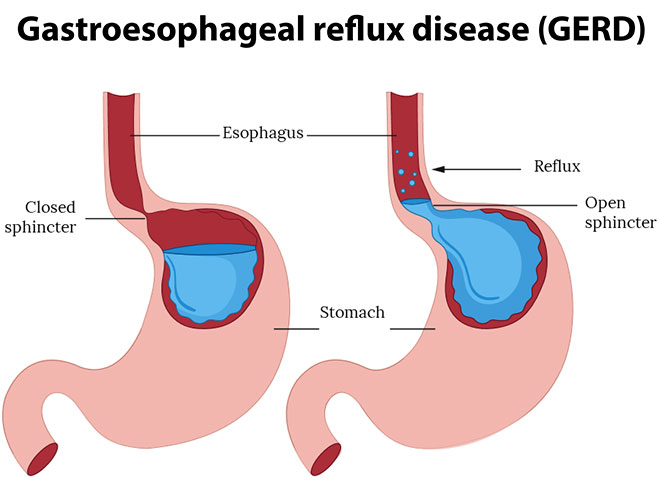
GERD (Gastroesophageal Reflux Disease) is a chronic digestive condition where stomach acid or bile frequently flows back (refluxes) into the esophagus — the tube connecting the mouth to the stomach. This acid reflux can irritate and damage the delicate esophageal lining, causing persistent symptoms that significantly impact daily life.
GERD is extremely common, affecting an estimated 20–30% of adults. While occasional heartburn is normal, frequent acid reflux occurring more than twice a week constitutes GERD and requires medical attention. At Bombay Gastro & Cancer Institute (BGCI) in Bathinda, Dr. Raman Garg provides comprehensive evaluation and evidence-based treatment for GERD and all related conditions.
What Causes GERD?
GERD occurs when the Lower Esophageal Sphincter (LES) — a muscular ring at the junction of the esophagus and stomach — becomes weak or relaxes inappropriately. This allows stomach contents to back up into the esophagus. Common contributing factors include:
- Hiatus hernia — upper stomach protrudes into the chest through the diaphragm
- Obesity and excess body weight (increases abdominal pressure)
- Pregnancy (hormonal changes + growing uterus increases pressure)
- Smoking — weakens the LES
- Eating large meals, especially close to bedtime
- Certain foods: fatty foods, chocolate, caffeine, alcohol, citrus, tomatoes, spices
- Certain medications: NSAIDs, calcium channel blockers, antihistamines
- Slow gastric emptying (gastroparesis)
Symptoms of GERD
Classic Symptoms
- Heartburn — Burning sensation in the chest, often after eating, worse when lying down
- Regurgitation — Sour or bitter-tasting acid backing up into the throat or mouth
- Dysphagia — Difficulty or discomfort when swallowing
- Chest pain — Can mimic cardiac pain (always rule out heart disease first)
Atypical Symptoms
- Chronic cough, especially at night
- Persistent hoarseness or voice changes
- Sore throat and globus sensation (feeling of a lump in the throat)
- Dental erosion from acid exposure
- Worsening asthma symptoms
- Excessive burping and bloating
- Nausea, especially in the morning
Warning Signs — Seek Immediate Care
Consult Dr. Raman Garg immediately if you experience: difficulty swallowing, unintentional weight loss, persistent vomiting, blood in vomit or black stools, or chest pain. These may indicate serious complications like Barrett's esophagus or esophageal cancer.
Complications of Untreated GERD
Chronic, untreated GERD can lead to serious complications:
- Esophagitis — Inflammation and erosion of the esophageal lining
- Esophageal Stricture — Narrowing of the esophagus from scar tissue, causing difficulty swallowing
- Barrett's Esophagus — Precancerous changes in esophageal lining (important cancer risk factor)
- Esophageal Cancer (Adenocarcinoma) — Long-term Barrett's esophagus can progress to cancer
- Respiratory Complications — Acid aspiration causing chronic bronchitis, asthma worsening, or pneumonia
- Dental Problems — Enamel erosion from recurrent acid exposure
Diagnosis of GERD at BGCI Bathinda
Dr. Raman Garg performs a thorough diagnostic evaluation to confirm GERD, assess its severity, and rule out complications:
- Clinical History & Examination — Detailed symptom assessment and physical evaluation
- Upper GI Endoscopy (OGD Scopy) — Direct visualization of the esophagus, stomach and duodenum; identifies esophagitis, ulcers, Barrett's esophagus
- Barium Swallow Study — X-ray-based assessment of esophageal function and reflux
- pH Monitoring (24-hour) — Measures acid levels in the esophagus over 24 hours — gold standard for GERD diagnosis
- Esophageal Manometry — Measures LES pressure and esophageal muscle function
- Biopsy — If Barrett's esophagus or cancer is suspected
GERD Treatment Options at BGCI Bathinda
1. Lifestyle Modifications (First Line)
For mild to moderate GERD, lifestyle changes alone can significantly reduce symptoms:
- Maintain healthy weight — even 5–10% weight loss reduces reflux significantly
- Elevate the head of the bed by 6–8 inches
- Avoid eating 2–3 hours before bedtime
- Eat smaller, more frequent meals
- Avoid trigger foods: coffee, alcohol, chocolate, citrus, tomatoes, spicy foods
- Stop smoking completely
- Wear loose-fitting clothing
2. Medical Treatment
- Proton Pump Inhibitors (PPIs) — Omeprazole, pantoprazole, rabeprazole, lansoprazole. Most effective class of acid suppressants. Reduces acid production by 90–95%.
- H2 Receptor Blockers — Famotidine, ranitidine. Less potent but useful for breakthrough symptoms and nighttime acid suppression.
- Antacids — Immediate but short-lived relief (gel antacids like Gelusil, Digene)
- Prokinetics — Domperidone, itopride — improve gastric emptying and LES tone
- Alginate preparations — Form a physical barrier over stomach contents to prevent reflux
3. Endoscopic Procedures
For patients who don't respond adequately to medical therapy, Dr. Raman Garg offers endoscopic options:
- Endoscopic Fundoplication (TIF) — Transoral incisionless fundoplication — tightening the LES without surgery
- Stretta Procedure — Radiofrequency energy delivery to strengthen LES
4. Laparoscopic Nissen Fundoplication (Surgery)
For severe, refractory GERD or when hiatus hernia is present, laparoscopic fundoplication is the definitive surgical treatment. Dr. Raman Garg wraps the upper part of the stomach (fundus) around the lower esophagus laparoscopically — strengthening the LES and permanently preventing acid reflux in over 90% of cases. This is done as a laparoscopic hiatus hernia surgery when combined with hernia repair.
GERD & Barrett's Esophagus Surveillance
Patients with long-standing GERD require periodic endoscopic surveillance for Barrett's esophagus — a precancerous condition. Dr. Raman Garg coordinates regular surveillance endoscopies as per international guidelines, with biopsy sampling and early intervention when needed.
Why Choose BGCI for GERD Treatment in Bathinda?
- Expert gastroenterologist with specialized training in upper GI disorders
- Advanced diagnostic facilities — endoscopy, pH monitoring, manometry
- Personalized, stepwise treatment approach
- Both medical and surgical solutions available under one roof
- Comprehensive follow-up and Barrett's surveillance programs
- Patient education — clear dietary and lifestyle guidance
GERD Treatment FAQ
01
Is GERD curable permanently?
GERD can be effectively controlled and kept in remission with the right combination of lifestyle changes, medication, and in some cases, surgery. Laparoscopic fundoplication cures GERD in over 90% of surgical candidates. Dr. Raman Garg helps you find the right long-term solution for your specific case.
02
Can GERD lead to cancer?
Chronic, untreated GERD can lead to Barrett's esophagus — where normal esophageal cells are replaced by intestinal-type cells. Barrett's esophagus carries a small but real risk of developing into esophageal adenocarcinoma. This is why proper diagnosis and regular surveillance are essential.
03
What foods should I avoid with GERD?
Common triggers include: coffee, tea, alcohol, chocolate, citrus fruits, tomatoes, spicy foods, fatty/fried foods, and carbonated beverages. However, triggers vary between individuals — Dr. Raman Garg helps you identify your personal triggers.
04
Can I stop my GERD medications once symptoms improve?
Do not stop medications without consulting Dr. Raman Garg. Some patients may taper off medications after effective lifestyle changes, while others need long-term maintenance therapy. Abrupt stoppage can cause acid rebound and worsening symptoms.